Best Rubbish Removal Routes near Lupus Street, Pimlico
Posted on 12/10/2026
If you are trying to clear waste from a flat, townhouse, office, or building project near Lupus Street, the route you choose matters more than most people think. In a compact part of Pimlico, a good rubbish removal plan can save time, reduce disruption, and make collection far smoother on narrow streets and busy residential blocks. The best rubbish removal routes near Lupus Street, Pimlico are not just about "going from A to B"; they are about choosing the safest, fastest, and most practical way to move waste without upsetting neighbours, blocking access, or creating extra handling.
This guide breaks down how local rubbish removal works, which routes and approaches make sense in real life, what to avoid, and how to choose a service that fits the property type and the load. If you want broader context on local property and neighbourhood patterns, it can also help to read an inside look at Pimlico and local tips for living in Pimlico. Both give useful background on how this area tends to work day to day.
For practical waste support, many readers also compare services like rubbish collection in Pimlico, waste removal in Pimlico, and specialist options such as builders waste disposal in Pimlico or garden waste removal in Pimlico. The right choice depends on what you are moving, where it is coming from, and how quickly you need it gone.
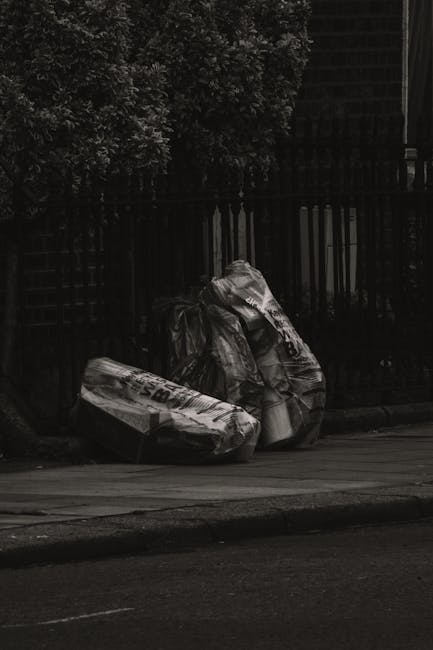
Why Best Rubbish Removal Routes near Lupus Street, Pimlico Matters
Lupus Street sits in an area where access, parking, and timing can make rubbish removal either straightforward or frustrating. That is why the route matters. In Pimlico, a "good route" is usually the one that reduces manual carrying distance, avoids unnecessary street congestion, and keeps waste movement aligned with the property layout. On a practical level, that may mean using a front entrance, a side access point, a lift schedule, or a vehicle position that shortens the carry from the door to the truck.
This is especially relevant in streets with controlled parking, tight mews-style access, or buildings where waste must be moved through shared hallways. A well-planned route lowers the chance of damage to walls, lifts, and flooring. It also makes the job quicker, which is helpful if you are clearing after a party, a tenancy change, a refurbishment, or a small office relocation.
There is also a neighbourly side to it. Late noise, double parking, and repeated trips with bulky waste can quickly become unpopular in a residential area. A route that limits disruption is simply better practice. For property owners thinking about changeovers or end-of-tenancy work, the broader context covered in steps to sell in Pimlico can be useful because clearance often becomes part of the wider moving or preparing-to-sell process.
Practical takeaway: in a dense London neighbourhood, the "best" route is usually the one that saves handling, avoids conflict, and keeps the removal efficient from the first lift of rubbish to the final sweep-up.
How Best Rubbish Removal Routes near Lupus Street, Pimlico Works
Rubbish removal near Lupus Street typically works in one of a few ways. The exact setup depends on the size of the load, the property access, and the urgency. Most jobs follow the same basic logic: assess the waste, choose the easiest carrying route, load safely, then transport it to the appropriate transfer or disposal point.
1. Assessment comes first
A good team starts by identifying the type of waste. Household clutter, old furniture, broken appliances, builder's rubble, garden cuttings, and office furniture all behave differently. Heavy or awkward items may need different handling, and mixed loads may need sorting before loading. A quick assessment prevents wasted time later.
2. The access route is mapped
This is where local knowledge matters. Can the vehicle stop close enough to the entrance? Is there a loading bay, a side gate, or only front-door access? Will waste need to be carried through communal areas? Good operators think through the most direct route before touching a single item. In practice, that means fewer trips, less lifting, and less risk of damage.
3. Loading is planned around the route
The loading sequence should make sense for the path being used. Bulky items usually go first if they block access, while loose bags, smaller boxes, and breakables are organised afterward. If the route involves stairs or narrow turns, good handling becomes even more important. No one wants a wardrobe being spun around a staircase like it is auditioning for a circus act.
4. Disposal follows the waste type
Once loaded, the waste should be taken to the correct disposal or recycling point. Mixed waste often needs separating, while recyclable materials should be diverted where possible. If the waste is from a renovation, the approach may differ from a standard household clearance. For that reason, many people choose a service that explains disposal clearly upfront, which you can compare through the services overview and the company's recycling and sustainability information.
5. Final checks complete the job
The best jobs finish with a final sweep of the route and the collection point. That means checking for missed debris, confirming no damage, and making sure the waste area is left tidy. It is a small detail, but it is often what separates a decent service from a genuinely professional one.
Key Benefits and Practical Advantages
Choosing the right rubbish removal route near Lupus Street is not a cosmetic detail. It brings clear operational benefits that matter to homeowners, landlords, tenants, and businesses alike.
- Less disruption: shorter carrying distances and better timing mean less noise and inconvenience.
- Lower risk of damage: a planned route reduces scuffs on stairwells, hallways, and door frames.
- Faster completion: direct access can cut the time needed for loading and removal.
- Better safety: fewer awkward lifts and fewer repeated trips reduce the chance of injury.
- Improved recycling potential: organised loading makes sorting and reuse easier.
- More accurate quotes: when the route and access are clear, pricing tends to be clearer too.
There is a commercial benefit as well. For landlords preparing a flat for new tenants, or homeowners getting a property ready for viewing, a clean, efficient clearance route helps protect presentation. If you are aiming for a smooth handover, it may also be worth reviewing pricing and quotes early so you can match the service to the scale of work rather than guessing after the fact.
And then there is the simple human benefit: less stress. Waste removal can feel messy and uncertain until there is a clear plan. Once the route is sorted, the rest tends to flow more easily.
Who This Is For and When It Makes Sense
This topic is relevant to far more people than you might expect. If you live or work near Lupus Street, there is a good chance at some point you will need a fast and sensible rubbish removal route.
Common situations include:
- Flat clearances: moving out, downsizing, or clearing accumulated clutter.
- Landlord and letting-agent turnovers: removing abandoned items or end-of-tenancy waste.
- Office clearances: old desks, packaging, filing, and broken furniture.
- Renovation waste: timber offcuts, plasterboard, tiles, and fixtures from refurbishment work.
- Garden or balcony clean-ups: soil, branches, planters, and outdoor furniture.
- Event aftermath: when a gathering leaves behind more rubbish than the bins can handle. For example, anyone hosting should think about the cleanup plan in advance; local guides like best places to host a party in Pimlico are a reminder that the fun part is only half the story.
It also makes sense when access is awkward. Basement flats, top-floor apartments without easy lift access, and properties facing controlled parking zones all benefit from more careful route planning. If you already know that carrying items through shared stairs will be part of the job, it is better to plan properly than to hope it will somehow sort itself out. It usually does not.
Step-by-Step Guidance
If you want the most efficient rubbish removal route near Lupus Street, use a structured approach. It does not need to be complicated, but it should be deliberate.
- List the waste by category. Separate general rubbish, bulky items, recyclables, electricals, and heavy materials if possible.
- Check access points. Identify the nearest entrance, lift, side gate, loading bay, or kerbside stopping point.
- Measure the difficult parts. Narrow hallways, stair turns, low ceilings, and basement steps can all affect the route.
- Decide whether loading is from inside or outside. One route may be faster but more disruptive; another may be slightly longer but safer.
- Set a sensible time window. Avoid periods when parking is tight, residents are leaving, or staff are changing shifts.
- Choose the right service type. Household clutter, office furniture, and construction rubble should not all be treated the same way.
- Prepare the items before collection. Bag loose waste, remove obvious hazards, and keep access clear.
- Confirm disposal and recycling handling. Ask how the waste will be managed, especially for mixed loads.
A simple example helps. If you are clearing a first-floor flat on Lupus Street, a front-door pickup may look easy, but if parking is poor and the hallway is narrow, it could be slower than using a rear access route and carrying items in smaller, safer loads. That kind of trade-off is common in Pimlico. The route that looks shortest on a map is not always the best route in practice.
Expert Tips for Better Results
From a practical standpoint, the best rubbish removal jobs are usually the ones that are prepared well before the truck arrives. A little planning goes a long way.
Make the route obvious
Clear coats, bins, bikes, and stacked parcels out of the carrying path. If people can move easily, so can the waste team. It sounds obvious, but cluttered hallways are one of the easiest ways to slow a job down.
Prioritise load sequencing
Put the heaviest or most awkward items closest to the exit if possible. That reduces the amount of reshuffling needed. For mixed waste, keep sharp items separated and keep fragile items protected.
Think about the neighbourhood, not just the job
In a place like Pimlico, courtesy matters. Avoid blocking entrances, keep noise down where possible, and plan for residents who may be coming and going. A smooth job is often one that barely registers for everyone else in the building.
Ask about the disposal route too
Not all routes are physical. The waste should also travel through the right disposal path. For example, recyclable materials should not be bundled thoughtlessly with everything else if they can be handled separately. If sustainability matters to you, review the business approach on recycling and sustainability before booking.
Use the right service for the right load
Builders waste, garden waste, office items, and domestic clutter can require different handling. Matching the service to the waste usually improves speed, compliance, and value. For office items, see office clearance in Pimlico; for domestic property contents, house clearance in Pimlico is often the more suitable option.
Expert summary: route planning is about more than the street outside. It is the whole movement path from room to vehicle to final disposal.
Common Mistakes to Avoid
People often assume rubbish removal is simple: load it, drive it away, done. In a dense urban area, that assumption can cause problems.
- Ignoring access restrictions: a vehicle may not be able to stop where you think it can.
- Underestimating stairs: stairwells add time, effort, and risk.
- Mixing all waste together blindly: this can complicate recycling and disposal.
- Forgetting parking or permit issues: a good route still fails if the vehicle cannot legally stop.
- Leaving the route cluttered: boxes, bins, or furniture in the path slow everyone down.
- Choosing based only on price: the cheapest quote may not include the access, labour, or handling you actually need.
- Not checking safety coverage: if items are heavy or access is awkward, you want the provider to have sensible procedures in place. The company's insurance and safety information is worth reviewing.
One subtle mistake is leaving the route decision until collection day. That often leads to last-minute improvisation, and improvisation is rarely the most efficient option with bulky waste. If you have ever watched three people move a sofa around a corner that no one measured properly, you know exactly what this looks like.
Tools, Resources and Recommendations
You do not need specialist equipment for every clearance, but the right tools and reference points can make the process smoother. For a resident or property manager near Lupus Street, these are the most useful:
- Measuring tape: useful for checking doors, stair turns, and lift openings.
- Basic gloves and protective footwear: helpful if you are moving lighter items yourself before collection.
- Labels or tape: good for marking what stays, what goes, and what needs special handling.
- A simple access plan: note the best entrance, vehicle stop point, and any building restrictions.
- Photos of the load: these help providers estimate volume and understand awkward items.
- Service pages and FAQs: compare what each provider actually offers before booking. A good starting point is the wider services overview and any specific service page that matches your waste type.
If you are comparing providers, also check whether they explain pricing clearly, whether they are transparent about payment, and whether their policies are easy to understand. Those may feel like secondary details, but they often say a lot about how the actual job will be handled. For reassurance on the administrative side, pages such as payment and security and about us can be useful signals.
Law, Compliance, Standards, or Best Practice
Any rubbish removal route should be designed with UK waste handling best practice in mind. That does not mean every job becomes complicated or legalistic, but it does mean waste should be handled responsibly and taken to appropriate facilities. In general, you should expect a legitimate provider to take care with sorting, transport, and disposal, and to avoid shortcuts that could create environmental or legal issues.
For householders and businesses, a few practical expectations are worth keeping in mind:
- Waste should be transferred responsibly: do not assume every load can be dumped together and forgotten.
- Electricals and hazardous items need special care: these should be handled separately where required.
- Fly-tipping is never acceptable: if a price sounds unrealistically low, ask how the waste will be processed.
- Access should respect neighbours and building rules: a route that blocks communal areas or ignores property management rules can create avoidable problems.
It is also sensible to read service terms before booking. That is especially true if the work involves a tight schedule, restricted access, or items that are unusually heavy or awkward. The site's terms and conditions can help set expectations, while privacy policy and accessibility statement can be useful if you are evaluating the company's broader standards of professionalism.
Best practice, in plain English, is simple: choose a provider that handles waste legally, plans access carefully, and communicates clearly before, during, and after the job.
Options, Methods, or Comparison Table
There is no single right method for every clearance near Lupus Street. The best route depends on the type of waste, access, urgency, and how much you want to do yourself. The table below compares the most common approaches.
| Method | Best For | Advantages | Watch Outs |
|---|---|---|---|
| Kerbside collection | Light, bagged waste with easy street access | Fast, straightforward, often efficient | Requires legal stopping space and clear loading access |
| Inside-to-vehicle carry route | Flat clearances, offices, mixed household waste | Works for bulky items and varied loads | Needs careful route planning and protection for walls/floors |
| Rear access or side passage route | Buildings with usable back entrances or shared passages | Can reduce disruption to front entrance areas | May involve narrow, uneven, or shared paths |
| Specialist builders waste route | Refurbishments and heavy debris | Better handling for dense, heavy material | May require separate sorting and stronger loading procedures |
| Full-service clearance | Busy residents, landlords, and time-sensitive jobs | Less work for you, more efficient end-to-end process | Needs accurate information upfront for the best result |
If you are still deciding between a general clearance and a more specific service, a targeted page such as garden waste removal in Pimlico or builders waste disposal in Pimlico can help you narrow things down. The right method should match the material, not just the postcode.
Case Study or Real-World Example
Consider a typical Pimlico scenario: a second-floor flat near Lupus Street needs clearing after a long tenancy. The main entrance faces a busy street, the building has a narrow stairwell, and parking nearby is controlled. On paper, the job looks simple. In practice, route planning decides everything.
The first step is identifying what can be bagged in advance and what needs two-person carrying. Smaller items are set aside near the exit, while bulky furniture is checked for safe turning angles. The team avoids leaving items in the communal hallway for long periods, because that creates unnecessary obstruction. If there is rear access to a quieter service area, that may become the preferred route for part of the job. If not, the team times the collection for a calmer window and keeps the moving path as short and tidy as possible.
The result is a faster clearance with less disruption to neighbours. More importantly, the property is left ready for the next stage: cleaning, letting, or sale preparation. That is the real value of choosing the right route. It is not glamorous, but it works.
For anyone preparing a property for market, it is often useful to combine clearance planning with broader presentation advice from maximising returns in Pimlico real estate. Waste removal may be just one part of the job, but it can have a surprisingly large effect on first impressions.
Practical Checklist
Use this checklist before booking or carrying out rubbish removal near Lupus Street.
- Identify the waste type and volume.
- Decide whether items need sorting before collection.
- Check the closest legal vehicle access point.
- Measure doorways, stairs, lifts, and tight turns.
- Clear the route of obstacles and loose items.
- Confirm the best time window for collection.
- Ask how recycling and disposal will be handled.
- Review pricing, payment, and any access-related conditions.
- Make sure the provider understands your building layout.
- Keep contact details ready in case the route needs adjusting on the day.
If you can tick most of those boxes, you are already ahead of the average clearance. That alone tends to make the day smoother.
Conclusion
The best rubbish removal routes near Lupus Street, Pimlico are the ones that combine speed, safety, and common sense. In an area with tight access, busy streets, and a mix of property types, route planning is not a small detail; it is the foundation of an efficient removal. Whether you are clearing a flat, dealing with builders waste, preparing an office move, or tidying up after an event, the right route saves time and reduces hassle.
Focus on access, waste type, timing, and professionalism. Choose a service that is transparent about process and disposal, and do not be afraid to ask practical questions before booking. A little preparation goes a long way, and in Pimlico, that usually means a cleaner, calmer result with far less disruption.
If you are ready to take the next step, compare your options carefully and choose the service that best fits your property and your waste load.
Get a free quote today and see how much you can save.


Copyright © . House Clearance Pimlico. All Rights Reserved.