Do You Need a Permit to Dump in Pimlico? Westminster Council Guide
Posted on 26/06/2026
If you are trying to get rid of rubbish in Pimlico, the wording alone can be confusing. Do you need a permit to dump in Pimlico? Is it a council issue, a skip issue, or something to do with where the waste is going? In practice, the answer depends on what you are dumping, where it is being placed, and who is removing it. This guide breaks it down in plain English so you can avoid fines, delays, and the classic last-minute panic of realising the rubbish is still sitting there at 6pm.
Whether you are clearing a flat near the river, dealing with builders' debris, or trying to sort out bulky household waste, the main thing is to know which rules apply before you move a single bag. Westminster is not the place to guess. Let's keep it simple, practical, and local.
Why Do You Need a Permit to Dump in Pimlico? Westminster Council Guide Matters
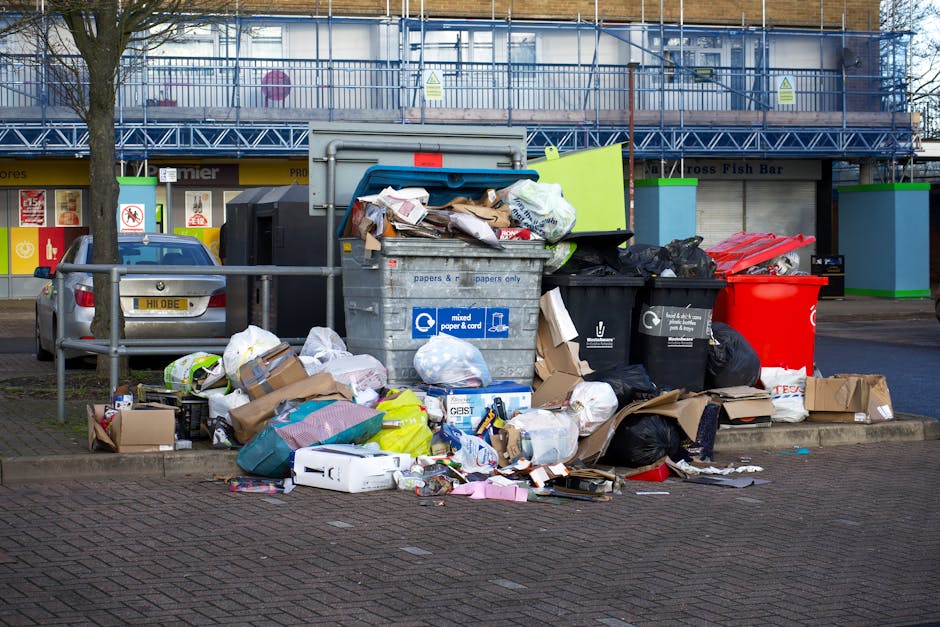
Most people do not wake up excited about waste rules. Fair enough. But in a dense area like Pimlico, the rules matter because space is tight, foot traffic is constant, and a small mistake can quickly become a public nuisance or a compliance issue. A bag left on the pavement for too long, a skip placed without the right permission, or waste handed to the wrong carrier can create problems that are much bigger than the original rubbish pile.
"Dumping" can mean different things. Some people mean leaving waste outside for collection. Others mean hiring a skip. Others are thinking about taking rubbish to a tip or arranging a private clearance. Those are not the same thing, and the permit requirements are not the same either. That is where most confusion starts.
For Pimlico residents and businesses, the practical question is not just whether a permit exists. It is: what kind of waste do you have, where will it go, and who is legally responsible for it until it is handled properly? Once you understand that, the rest gets much easier.
There is also the reputational side. Nobody wants to be the person whose sofa, broken wardrobe, or renovation rubble ends up attracting complaints. In Westminster, fly-tipping and obstructive waste are taken seriously, and quite rightly so. If you want a broader sense of how everyday waste expectations work locally, it helps to read Pimlico council rules on household waste alongside this guide.
How Do You Need a Permit to Dump in Pimlico? Westminster Council Guide Works
Here is the simplest way to think about it: the permit question usually comes up when waste is being placed in a public space, such as the road or pavement, or when a vehicle, skip, or container needs to occupy council-controlled land. If the waste stays entirely on private property and is collected by a licensed service, the permit issue may be very different.
For example, if you hire a skip for a kitchen refit and it must sit on the road because there is no room on your drive, that is typically where a permit conversation begins. If you are loading bags into a van and taking them to an authorised disposal point through a licensed service, you may not need a skip permit at all. That is why many people end up paying for the wrong thing. It happens more often than you would think.
Westminster Council controls what happens in the public highway and around streets where access, safety, and obstruction are concerns. The council may require permissions for skips, scaffolding, parking suspensions, or other temporary uses of public space. If your waste plan involves the street, assume you need to check first. If it is a collection from your property, the rules may be simpler, but you still need a lawful, traceable disposal route.
One important point: a permit is not the same as legal disposal. A permit might allow something to sit somewhere. It does not give you permission to dump waste illegally, leave it blocking the pavement, or hand it over to an unlicensed operator. That distinction matters a lot.
If you are weighing different disposal routes, a practical overview of local services can help, especially pages like the services overview and rubbish collection in Pimlico, which show the kinds of solutions people usually compare before booking anything.
Key Benefits and Practical Advantages
Getting the permit question right saves time, money, and hassle. That is the headline. But the advantages go further than simply avoiding a fine.
- Less risk of enforcement problems: You avoid the awkward situation where a skip, pile of waste, or container is parked in the wrong place.
- Better budgeting: Knowing whether a permit is needed helps you compare the real cost of waste removal, not just the headline price.
- Smoother scheduling: If your clearance depends on council timing or traffic conditions, planning early prevents avoidable delays.
- Cleaner presentation: Useful for landlords, sellers, and businesses who need the property to look tidy, not half-finished and chaotic.
- Safer handling: Proper arrangements reduce the chance of blocked walkways, sharp debris, and general trip hazards.
For many Pimlico residents, the real benefit is peace of mind. You can get on with the project without wondering if somebody is going to complain, report it, or slap a notice on the vehicle. And let's face it, nobody wants waste drama on a busy weekday morning.
There is also a sustainability angle. If you arrange disposal properly, materials are more likely to be sorted, recycled where possible, and handled in a way that fits good practice. That is one reason it helps to look at recycling and sustainability before deciding how to move forward.
Who This Is For and When It Makes Sense
This guide is relevant if you are a homeowner, tenant, landlord, managing agent, builder, shop owner, or office manager in Pimlico. In real life, these situations show up all the time:
- you are clearing out a flat after a move
- you have renovation waste from a bathroom or kitchen project
- you are dealing with old furniture, mattresses, or general bulky items
- you need garden waste removed after a seasonal tidy-up
- you are clearing a workspace or office
- you need an estate or probate clearance handled carefully
Sometimes the permit issue matters because you are using the street. Sometimes it matters because the waste volume is large enough that a basic bin collection will not cut it. Sometimes it matters because you simply do not want to risk a messy, half-done solution.
If you are unsure whether you need a permit, a helpful first question is: will any part of this job use public land, obstruct access, or require a container to be left outside? If yes, stop and check. If no, your route may be simpler than you expected.
People planning larger clearances often find it useful to read related local guides such as quick solutions for bulky waste in Pimlico or urgent rubbish pickup options when the job needs to happen fast. A same-day problem is still a compliance problem, by the way.
Step-by-Step Guidance
- Identify the waste type. Household junk, builders' waste, garden cuttings, office equipment, and mixed waste are handled differently. A pile of bricks is not the same as a stack of cardboard.
- Decide where it will be placed. Private driveway, private yard, pavement, road, or loading bay? This is often the decisive factor.
- Check whether a permit or suspension is needed. If a skip, skip bag, lorry, or container will sit on the street, assume extra permissions may be involved.
- Choose the disposal method. Skip hire, man-and-van clearance, licensed rubbish collection, or a specialist clearance service all have different implications.
- Confirm the carrier is legitimate. Waste should be handled by someone who can lawfully take it away and dispose of it properly.
- Prepare the waste. Separate sharp items, keep documents secure, and remove anything you want to keep before the collection day. People do forget this. More than once.
- Schedule around access and neighbours. Narrow streets, loading restrictions, and busy school-run times can affect the job more than you expect.
- Keep records. Save booking confirmations, receipts, and any paperwork about what was collected.
A simple example: if you are replacing flooring in a Pimlico flat and the old boards, underlay, and packaging will fit into a skip on your own property, the process may be straightforward. If the skip has to go on the road, that is where permit checks become important. The difference can be surprisingly costly if you leave it until the day before.
For broader local handling advice, the household waste rules guide is a practical companion read.
Expert Tips for Better Results
A few small decisions can make the whole process smoother.
- Plan early if street access is involved. Do not assume a permit will be issued instantly, especially if your job is time-sensitive.
- Measure what you are removing. Rough volume estimates help you avoid over-ordering a skip or under-booking a collection.
- Separate recyclables where possible. Cleaner sorting can make disposal more efficient and less expensive in practice.
- Ask about access restrictions. Pimlico streets can be tight, and a vehicle that is too large becomes a problem very quickly.
- Be realistic about labour. A full loft clearance is not the same thing as moving out a few bags. The physical effort adds up.
To be fair, one of the best "expert" moves is simply not rushing. A calm, clearly planned clearance usually costs less than a panicked one, even if the numbers look similar at first. The hidden value is in avoiding rework.
If you want to understand why quotes may differ so much from one provider to another, it is worth reading why Pimlico rubbish prices vary. That article pairs well with this one because permits, access, weight, and labour all shape the final figure.
Common Mistakes to Avoid
Here are the issues that cause the most headaches:
- Assuming every waste job needs the same permit. It does not.
- Leaving waste on the pavement "just for a bit". In a busy area, that can create complaints very quickly.
- Booking a skip without checking placement rules. The road is not the same as a private forecourt.
- Using a carrier without checking they are properly licensed. If your waste is fly-tipped after collection, the original owner can still face trouble.
- Mixing hazardous items with general waste. Paints, chemicals, batteries, and similar items need extra care.
- Forgetting about access on collection day. A parked car, delivery van, or obstruction can delay everything.
A little planning solves most of these. Not all, but most. And that is often enough.
Tools, Resources and Recommendations
You do not need a stack of technical documents to make a sensible decision, but a few tools and reference points are useful.
- Room-by-room inventory: Write down what is actually going, not what you think might go.
- Photo checklist: Photos help when comparing waste volumes or explaining access issues.
- Measurement tape: Useful for doors, stairwells, lifts, and skip placement space.
- Booking notes: Keep the service time, vehicle size, and any access instructions in one place.
- Paperwork folder: Store invoices, booking confirmations, and any correspondence about permits or permissions.
It also helps to review service pages that reflect the type of job you have in mind. For instance, builders' waste disposal in Pimlico is relevant for renovation debris, while garden waste removal is better suited to seasonal green waste. If you are clearing out a property end-to-end, house clearance in Pimlico may be the more practical route.
For business premises, office moves and refurbishments have their own needs, so office clearance in Pimlico is worth comparing if that is your situation.
Law, Compliance, Standards, or Best Practice
Waste handling in the UK sits within a framework of general legal duties, council control of public space, and common-sense best practice. You do not need to be a legal specialist to stay on the right side of it, but you do need to understand the basic responsibilities.
As a general rule, you should make sure waste is:
- stored safely before collection
- kept off the public highway unless permission has been granted
- passed to a legitimate, traceable waste carrier
- segregated where special handling is required
- disposed of in a way that does not create nuisance or danger
Best practice in Pimlico is especially about access and accountability. Narrow streets, busy footpaths, and controlled parking zones make sloppy waste handling more visible. If you leave waste where it should not be, people notice. That is just life in a compact London neighbourhood.
Safety matters too. Heavy items, broken furniture, old appliances, and sharp fragments all need proper lifting and loading. If you are arranging a larger job, it is sensible to review insurance and safety guidance before the collection happens.
And if you are unsure about your own rights or obligations around bookings, cancellations, or service terms, the terms and conditions page is a useful place to check the fine print. Boring, yes. Helpful, also yes.
Options, Methods, or Comparison Table
Different disposal methods suit different situations. Here is a practical comparison.
| Method | Best for | Possible permit issue | Main benefit | Main drawback |
|---|---|---|---|---|
| Skip hire | Renovation waste, bulky mixed loads | Often yes if placed on the road | Good for larger volumes | Can take space and may need advance planning |
| Man-and-van clearance | Household clearances, bulky furniture, quick jobs | Usually not if loading happens on private property | Flexible and convenient | Not ideal for very heavy construction debris |
| Licensed rubbish collection | General waste, mixed small loads | Depends on access and where items are left | Simple booking process | May not suit large or awkward items |
| Specialist clearance | Estate clearances, offices, complex removals | Depends on the setup | Handled end-to-end | Needs clearer planning and more detailed quotes |
The right option is not always the cheapest-looking one. It is the one that fits the access, the waste type, and the amount of time you have. That is the honest answer.
Case Study or Real-World Example
Imagine a landlord in Pimlico preparing a one-bedroom flat for new tenants. There is an old bed frame, a broken chest of drawers, some bags of soft furnishings, and a few bits of packaging left behind from a refresh. At first glance, it sounds simple enough.
Then the details emerge: the property is on an upper floor, the street outside is narrow, and there is nowhere private to leave a skip. If the landlord books the wrong disposal option, the job could drag on for days and create access issues for neighbours.
In a sensible approach, the landlord would first separate what can be reused, what must be taken away, and whether any waste needs special handling. They might choose a licensed clearance team rather than a road-placed skip, which removes the permit headache entirely. The result is usually quicker, tidier, and less stressful. Also, the building entrance stays clear, which everyone appreciates on a rainy London afternoon when people are trying to get in with shopping bags and umbrellas.
That is the real lesson: the permit question is often a sign that you need to think about the whole disposal method, not just one document. Fix the method, and the permit issue often becomes obvious.
Practical Checklist
Before you dump, clear, or collect anything in Pimlico, run through this list:
- Have I identified the exact type of waste?
- Will anything be placed on a public road, pavement, or controlled area?
- Do I need a skip permit or other permission?
- Have I chosen a lawful, licensed disposal route?
- Are there hazardous or special items mixed in?
- Is access clear for the collection vehicle?
- Have I separated items I want to keep?
- Do I know the collection time and what happens if access is blocked?
- Have I saved the booking and payment details?
- Does the service fit the volume and urgency of the job?
If you can tick most of those off, you are in good shape. If not, pause and sort the unknowns first. A half-hour of checking now can save a full day of sorting out a mess later.
Conclusion
So, do you need a permit to dump in Pimlico? Westminster Council Guide style, the honest answer is: sometimes yes, sometimes no, and the difference depends on how and where the waste is being handled. If the job touches the public highway, involves a skip on the road, or creates any kind of obstruction, you should expect permit checks to come into play. If waste is removed from private property through a lawful, licensed service, the route may be simpler.
The best way to stay safe is to think in terms of access, placement, and responsibility. Not just the rubbish itself. That mindset makes everything easier, especially in a busy part of London where space is tight and timing matters. You do not need to become an expert in council process overnight. You just need a clear plan.
Get a free quote today and see how much you can save.
And if you are still weighing up options, take your time. The right waste plan is usually the one that feels boringly smooth on the day. That is a good sign, honestly.

Copyright © . House Clearance Pimlico. All Rights Reserved.