Fines for Illegal Waste Dumping in Pimlico and Avoidance Tips
Posted on 04/07/2026

If you live, work, rent, or manage property in Pimlico, waste disposal is not one of those jobs you can "sort out later". Fines for illegal waste dumping in Pimlico and avoidance tips matter because a small mistake - leaving a sofa on the pavement, handing rubbish to the wrong person, or dumping bags beside a full bin - can quickly become an expensive problem. And yes, it happens more often than people think.
This guide breaks down how illegal dumping and fly-tipping are treated in practice, what tends to trigger fines, how to avoid them, and what to do if waste is piling up faster than you expected. It also points you to useful local pages like Pimlico council rules on household waste and whether you need a permit to dump in Pimlico, because staying on the right side of the rules is much easier when you know the basics.
Let's face it: rubbish usually becomes urgent at the worst possible moment. A move, a renovation, a bereavement, an office clear-out, or a burst of weekend DIY can all leave you with more waste than a normal bin day can handle. The trick is not to panic. It is to make the right disposal choice first time.
Table of Contents
- Why this topic matters in Pimlico
- How fines and illegal dumping enforcement work
- Key benefits of disposing waste properly
- Who needs this guidance
- Step-by-step guidance to avoid problems
- Expert tips for better results
- Common mistakes to avoid
- Tools, resources and recommendations
- Law, compliance and best practice
- Options and comparison table
- Case study or real-world example
- Practical checklist
- Conclusion
- Frequently asked questions
Why Fines for Illegal Waste Dumping in Pimlico and Avoidance Tips Matters
Illegal waste dumping is not just an eyesore. In a dense part of London like Pimlico, one dumped mattress, builder's sack, or broken wardrobe can block a pavement, attract more rubbish, and create a ripple effect fast. You will notice that small spaces make waste issues feel bigger. That is because they are bigger, in practical terms. Space is tight, footfall is high, and rubbish left where it should not be tends to be noticed quickly.
Fines matter because they create a real financial risk for something many people assume is "just a bit of rubbish". Even when the amount looks small, the consequences can still be serious. There may be a fixed penalty, a larger enforcement action, or the cost of clearing the waste anyway. And if the waste can be traced back to you, your address, a hire vehicle, or a careless contractor, the mess can become your responsibility. That part is unpleasant, but it is the reality.
From a local perspective, Pimlico has plenty of residents who are careful, busy, and used to doing things properly. The issue is that waste rules are easy to misunderstand, especially when you are dealing with bulky items, landlord clear-outs, garden cuttings, or renovation debris. If you want more context on living locally, the article on local tips for living in Pimlico is a good companion read.
There is also a broader community angle. Illegal dumping often creates a chain reaction. One pile becomes two. Two become five. Someone adds a bag, then another. It sounds dramatic, but on a wet Tuesday morning with no room on the pavement, it is exactly how it feels.
Practical takeaway: the cheapest disposal option is rarely the one that looks cheapest at the start. If it risks a fine, a failed collection, or a fly-tipping complaint, it can end up costing far more than a proper disposal route.
How Fines for Illegal Waste Dumping in Pimlico and Avoidance Tips Works
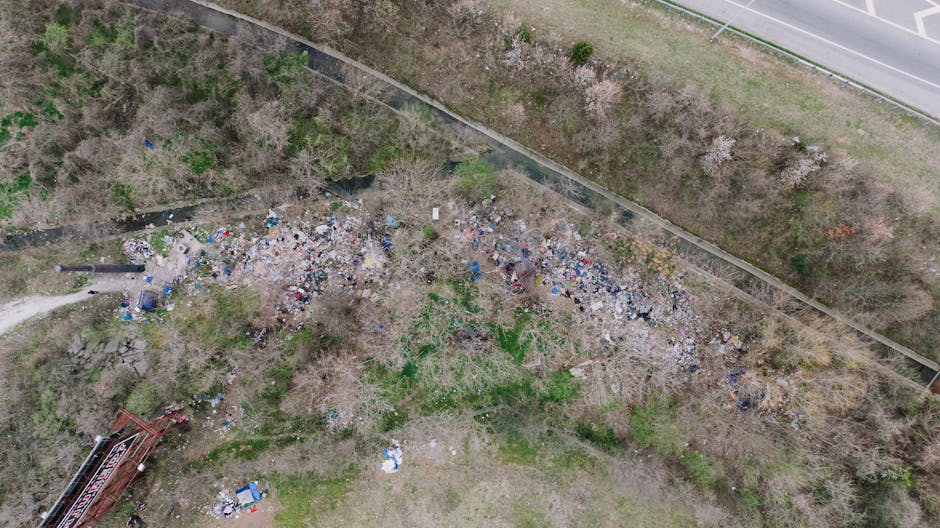
Illegal dumping, often called fly-tipping, usually means leaving waste somewhere it should not be left. That can include pavements, kerbs, alleyways, communal bin areas, roadside spots, or private land without permission. The exact enforcement process can vary depending on the circumstances, but the usual logic is simple: if waste is left unlawfully and can be linked to a person or business, action may follow.
In practice, enforcement can be based on several things:
- witness reports from residents or passers-by
- evidence left in the waste, such as documents or labels
- vehicle details linked to the dumping
- contractor records or poor paperwork
- repeat complaints about the same location
The important thing to understand is that "I didn't know" is not a strong plan. Many people are caught out not because they meant to dump illegally, but because they gave waste to an unlicensed collector, placed items out too early, or assumed a pile by the bin would be treated as normal collection waste. To be fair, some mistakes are just careless; others come from rushed decisions. Either way, the waste still has to be dealt with.
If you are unsure about local requirements, it is worth reading Pimlico council rules on household waste. It helps explain the difference between ordinary household rubbish, bulky items, and waste that needs special handling.
Another common misunderstanding is around household versus commercial waste. A flat clear-out after tenants leave is not always the same as a small office purge. Likewise, garden waste, builders' rubble, and mixed waste can each be treated differently. If you are handling renovation debris, builders' waste disposal in Pimlico is a useful topic to review before you put anything out for collection.
There is also a straightforward truth here: the more clearly you document what you are doing, the safer you are. Keep receipts, take photographs before and after disposal, confirm collection arrangements in writing where possible, and do not hand waste to someone who seems "cheap and quick" but cannot explain where it will go. That old bargain can become very expensive.
Key Benefits and Practical Advantages
Avoiding illegal dumping is not just about staying out of trouble. It brings practical benefits that show up almost immediately.
- Lower financial risk: you avoid fines, repeat charges, and the hidden cost of cleanup.
- Less stress: you are not worrying whether a rubbish pile will come back to haunt you later.
- Cleaner shared spaces: hallways, bin stores, and front pavements remain usable and presentable.
- Better neighbour relations: nobody enjoys the person who leaves a sofa outside for three days.
- Safer handling: waste is moved with proper lifting, sorting, and disposal procedures.
- Better paperwork: if you are a landlord, agent, or business owner, your records are easier to defend if questioned.
There is a quieter benefit too: peace of mind. When a flat, house, office, or garden is cleared properly, the space feels lighter. Not in a poetic sense only - physically lighter, calmer, easier to use. You hear less clutter. You see more floor. You breathe easier. Sounds small, but it matters.
For households planning a bigger clear-out, the right disposal approach can also support re-use and recycling. If sustainability matters to you, you may want to read the site's recycling and sustainability page alongside this guide. It gives a better sense of how waste can be reduced rather than simply removed.
And if you are planning a larger household clearance, a structured approach like the one in house clearance in Pimlico can reduce the chance of accidental dumping and help you keep materials separated from the start.
Who This Is For and When It Makes Sense
This guidance is for more people than you might expect. Illegal dumping rules do not only affect people intentionally trying to cut corners. They also matter to ordinary residents, busy property owners, office managers, landlords, builders, and anyone handling bulky waste in a hurry.
You especially need this if you are:
- moving out and clearing belongings quickly
- dealing with inherited property or probate items
- renovating a flat and generating mixed debris
- running a small office and replacing furniture
- managing a rental between tenancies
- trying to dispose of garden waste after a seasonal tidy-up
- sorting a single bulky item that will not fit in normal collection routes
There is a big difference between "I need this gone today" and "I can dispose of this safely today". The first is a feeling. The second is a plan. And that plan matters.
If your situation is urgent, it may help to look at urgent rubbish pickup options in Pimlico for same-day needs. If the waste is large or awkward, quick solutions for bulky waste in Pimlico may also be relevant. Those pages can help you avoid the "just leave it outside for now" trap, which is where a lot of problems begin.
Businesses and landlords should pay extra attention. A contractor or tenant who leaves waste behind can create a messy chain of responsibility. Keeping clear terms, inspections, and handover checks is boring, admittedly, but very effective. Boring often wins.
Step-by-Step Guidance
Here is a simple process that reduces the risk of illegal dumping and helps you choose the right disposal route.
- Identify the waste type. Separate household waste, garden waste, bulky items, mixed rubbish, and construction debris. Do not treat everything as one pile.
- Check what can be reused or donated. A usable chair, table, or appliance should not be dumped just because it is inconvenient. If it still works, there may be a better route.
- Review local collection rules. Different items may need different handling. Side-street assumptions are how people get it wrong.
- Choose a lawful disposal method. That might mean arranged collection, a specialist clearance, or another approved waste route.
- Keep proof. Save invoices, collection details, photos, and messages. If questions arise later, evidence helps.
- Do not hand waste to an unverified collector. If someone cannot explain what happens next, that is a red flag.
- Make sure waste is removed fully. Half-cleared piles are where problems linger. A tiny bit left behind can still attract attention.
A realistic example: you are clearing an office in Pimlico and want desks gone by Monday. If you rush and let a van-load collector take everything without checking the route, you may be left with no proof, no accountability, and possibly no idea where the waste went. If the collection is legitimate, great. If not, you are the person who may need to explain it later. Not fun.
If you are comparing disposal methods, see waste removal in Pimlico and rubbish collection in Pimlico for service-style options that are usually easier to manage than ad hoc dumping. For offices, a more tailored approach like office clearance in Pimlico may be the better fit.
Expert Tips for Better Results
After dealing with enough clearance jobs to know where people stumble, a few patterns stand out.
- Sort before you lift. Mixed piles waste time and lead to avoidable mistakes.
- Never assume a pile "looks acceptable". Illegal dumping often starts with that exact thought.
- Use photos at the start. If a collection goes wrong, you have a record of what was there.
- Ask what happens to the waste. A proper provider should be able to explain the route clearly.
- Schedule removals before deadlines. Leaving it to the last minute creates pressure, and pressure leads to shortcuts.
- Watch for mixed materials. Wood, soil, plasterboard, green waste, and general rubbish should not always be treated the same way.
One practical tip people overlook is access. In Pimlico, access can be awkward: tight entrances, shared courtyards, basement steps, narrow roads, and parked cars all slow things down. If you factor that in early, you are less tempted to dump items just to "make space".
Another simple one: keep one person in charge of the disposal decision. Too many cooks, as they say, and suddenly nobody knows who agreed to what. It happens. Every week, probably.
For pricing context, the article on why Pimlico rubbish prices vary and how to avoid surprises is useful because hidden costs are one reason people start looking for shortcuts. It is better to understand the cost structure than to improvise.
Common Mistakes to Avoid
Illegal dumping and fly-tipping usually come from predictable mistakes. Avoid these and you are already ahead.
- Leaving waste beside a full bin. It might feel harmless, but it is still not a proper disposal method.
- Using a random van or unverified collector. Cheap is not the same as compliant.
- Putting out waste too early. Timing matters, especially in shared residential streets.
- Mixing prohibited items with general rubbish. This can cause a collection to be refused or mishandled.
- Assuming someone else will deal with it. A landlord, concierge, neighbour, or cleaner may not be responsible at all.
- Not checking permit or access rules. If a permit is needed and ignored, the issue can escalate quickly.
There is one mistake that deserves special mention: trusting a verbal promise alone. "Don't worry, mate, it'll be fine" is not documentation. It is just a sentence. Useful? Not really.
If you are not sure about access or permit concerns, read the Pimlico permit guide for dumping and waste access. It can help you avoid a surprisingly common error.
Another area worth checking is fly-tipping response. If waste has already been dumped near your property, see dealing with fly-tipping in Pimlico for a calmer, more practical next step.
Tools, Resources and Recommendations
You do not need fancy tools to avoid illegal dumping. What you do need is a basic system.
- Phone camera: take before-and-after photos.
- Simple inventory list: note what is being removed and what stays.
- Labels or coloured bags: helpful for sorting waste streams.
- Calendar reminders: useful for collection day, permit timings, or property handovers.
- Written confirmation: keep messages or invoices relating to disposal.
For readers wanting a broader view of how this business works, the site's services overview is a practical starting point. It helps you understand the difference between the various clearance and removal options without having to guess.
It is also sensible to review operational details before booking anything. Pages like pricing and quotes, insurance and safety, and terms and conditions are boring in the best way. They tell you what to expect. If you are comparing providers, boring documentation is usually a good sign.
For people who care about how waste is handled after collection, recycling and sustainability is worth a read. It helps you choose a cleaner route rather than just the fastest one.
Law, Compliance, Standards, or Best Practice
Waste disposal in the UK is shaped by general legal duties, local rules, and practical best practice. I am being careful here, because exact enforcement can vary and should not be treated casually. But the core principle is stable: if you generate waste, you remain responsible for handling it properly until it is lawfully transferred.
In plain English, that means:
- do not abandon waste in public places
- do not hand waste to someone who cannot handle it properly
- do not assume "out of sight" means "out of responsibility"
- do not mix waste types without checking whether that is acceptable
- keep records where a job is commercial, rented, or contract-based
Best practice is often more important than the strict minimum. For example, a landlord might technically satisfy a basic disposal arrangement but still leave themselves exposed if they do not inspect the property after checkout. Likewise, a small business may technically have rubbish removed, but if no one can prove what was collected, who took it, or when, a later complaint can be awkward.
If you are working around a move or sale, the page on steps to sell in Pimlico may help you coordinate clearance with property preparation. If you are balancing waste issues with investment or refurbishment decisions, maximise returns when investing in Pimlico real estate gives useful context for planning property work without creating avoidable mess.
And if you want a broader local perspective, an inside look at Pimlico is a nice companion piece. It is not about fines, obviously, but it does help you understand the character of the area and why tidiness matters so much here.
Options, Methods, or Comparison Table
Here is a simple comparison of common disposal options. The best choice depends on volume, timing, item type, and how much responsibility you want to carry yourself.
| Option | Best for | Pros | Risks or drawbacks |
|---|---|---|---|
| DIY disposal | Small amounts, sorted items, flexible timing | Full control, may feel cheaper upfront | Time-consuming, easy to make mistakes, transport issues |
| Scheduled collection | Standard household waste or organised clear-outs | Convenient, predictable, less handling stress | May need planning and item prep |
| Bulky waste solution | Furniture, mattresses, awkward single items | Better for large objects, less lifting hassle | Can cost more if left to the last minute |
| House or office clearance | Larger mixed loads, moves, probate, renovations | Efficient, structured, usually lower risk of accidental dumping | Requires trust in the provider and clear scope |
| Garden waste removal | Cuttings, soil, branches, seasonal tidy-ups | Cleaner than mixing with general rubbish | Can become heavy and awkward quickly |
For practical route choices, garden waste removal in Pimlico is relevant if you are dealing with hedges, branches, and green waste. If you are handling one bulky household item, the quick guide to bulky waste in Pimlico is likely the better fit.
Case Study or Real-World Example
A Pimlico landlord had a small flat turn-over between tenancies. The outgoing tenant left a mix of broken shelving, a worn mattress, and several bags of misc items in the hallway because the lift was busy and the collection date felt too far away. On paper, it looked minor. In reality, it created a fire safety concern, annoyed neighbours, and risked turning into a fly-tipping complaint if the bags were left overnight.
Instead of leaving everything out "for later", the landlord arranged a proper removal, photographed the items, kept a record of the handover, and checked the communal area once the clearance was done. The waste disappeared in one go. No half-job. No extra pile. No awkward note from the building manager the next morning. Simple, but effective.
That is the pattern I see most often: the people who stay organised rarely have to deal with enforcement drama. The people who improvise at the kerbside, on the other hand, are the ones most likely to get caught by timing, access, or responsibility issues. Human nature, really.
If you are managing a probate or estate property, the estate clearance checklist for Churchill Gardens, Pimlico can help you think through the practical steps without rushing. In emotionally sensitive situations, structure helps more than you might expect.
Practical Checklist
Use this checklist before anything leaves your property.
- Have I identified the waste type correctly?
- Can any items be reused, donated, or recycled first?
- Do I know whether the waste needs special handling?
- Have I checked local collection or disposal rules?
- Have I booked a lawful removal method or confirmed where it will go?
- Do I have written confirmation, a receipt, or a booking reference?
- Have I taken photos before the waste moves?
- Have I kept the area clear until the agreed collection time?
- Am I certain the person taking the waste is legitimate and suitable?
- Have I checked access, parking, and any permit concerns?
If you can tick most of those boxes, you are in a much safer position. If several of them are uncertain, pause. It is better to delay by a day than to explain a dumping problem for weeks.
One tiny but useful habit: keep a folder on your phone for waste photos and disposal receipts. It sounds a bit much. Then one day it saves your skin.
Get a free quote today and see how much you can save.
Conclusion
Fines for illegal waste dumping in Pimlico and avoidance tips are really about one thing: making sensible disposal the default, not the exception. Once you know what counts as unlawful dumping, where the risks sit, and how to plan around them, the whole process gets easier. You spend less time guessing, less time worrying, and a lot less money cleaning up avoidable mistakes.
If your rubbish situation feels urgent, start with the simple steps: sort the waste, check the rules, keep proof, and choose a lawful route that fits the item type and the timeline. It does not need to be dramatic. Just organised. A bit old-fashioned, maybe. But effective.
And honestly, that is usually the best outcome in Pimlico: a clean pavement, a clear handover, no awkward surprises, and one less headache hanging around.


Copyright © . House Clearance Pimlico. All Rights Reserved.