What to Do with Bulky Waste in Pimlico: Quick Solutions
Posted on 15/05/2026
If you've got an old sofa blocking the hallway, a broken wardrobe leaning in the corner, or a mattress that absolutely will not fit down the stairs without a fight, you're probably looking for the quickest sensible way forward. That's exactly where What to Do with Bulky Waste in Pimlico: Quick Solutions comes in. In a tight London area like Pimlico, bulky waste is rarely just "a bit of rubbish" - it can be awkward to move, difficult to store, and annoying to live around for even one extra day.
This guide walks you through the practical options, the local realities, and the smartest next steps. You'll find out what counts as bulky waste, how removal usually works, what to avoid, and which route makes the most sense depending on your time, access, and budget. If you want a cleaner flat, a calmer staircase, and less faff, you're in the right place.
Along the way, we'll also link to useful pages such as the full services overview, pricing and quotes, and recycling and sustainability so you can keep the decision practical and grounded.
Quick takeaway: The best bulky waste solution in Pimlico is usually the one that fits your access, urgency, and sorting needs - not just the cheapest option on paper.
Why What to Do with Bulky Waste in Pimlico: Quick Solutions Matters
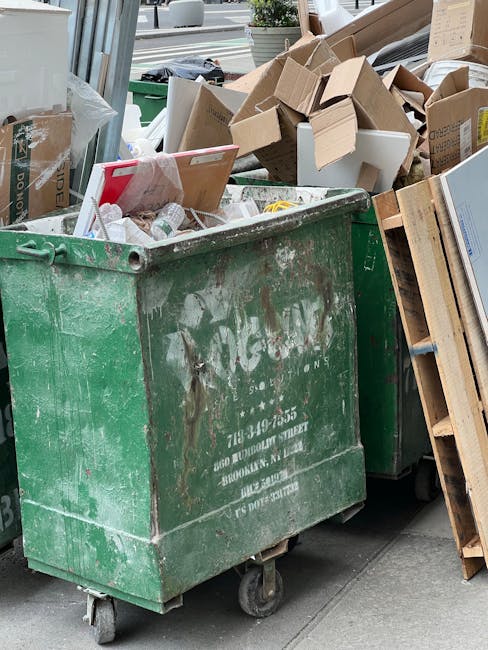
Bulky waste has a habit of turning a normal day into a small logistical headache. A single sofa can make a room feel cramped. A pile of old office chairs can disrupt a move. A couple of broken cabinets in a basement can become something you keep stepping around for weeks. In Pimlico, where homes and streets often come with limited storage, tighter access, and shared entrances, this is even more noticeable.
The reason this topic matters is simple: bulky waste takes up space, can create trip hazards, and often needs more planning than standard bagged rubbish. It may also involve items that are heavy, dirty, or awkwardly shaped - the kind of thing that looks manageable until you actually try to lift it.
There's also a timing angle. Maybe you're preparing a property for sale and need it cleared quickly. Perhaps you're renovating a flat and the skip is not practical. Or maybe you've just inherited a place that needs sorting out, and the old furniture has to go before anything else can happen. These are the moments where quick solutions are not a luxury; they're the difference between progress and limbo.
For residents wanting a broader view of the neighbourhood context, the article on local tips for living in Pimlico gives a useful sense of the area and its day-to-day realities. Small spaces, busy access points, neighbours close by - all of that affects how bulky waste should be handled.
Truth be told, bulky waste isn't just about disposal. It's about restoring order without making a mess of your day.
How What to Do with Bulky Waste in Pimlico: Quick Solutions Works
There are usually a few routes for bulky waste removal, and the right one depends on what you're getting rid of, how fast you need it done, and whether the items can be reused, recycled, or simply removed as waste. The process is straightforward once you break it down.
1. Identify the items
Start by separating bulky items from general household rubbish. Bulky waste often includes sofas, beds, wardrobes, tables, appliances, carpets, exercise equipment, shelving, and office furniture. If you're dealing with builders' offcuts or garden waste, those may be better handled through builders waste disposal in Pimlico or garden waste removal instead.
2. Check the condition of the items
Some bulky items can be reused, donated, or sold. Others are too damaged, stained, unsafe, or worn out. That distinction matters because it affects the disposal route and the final cost. If a wardrobe has usable panels and fittings, it might be handled differently from a broken chipboard unit that is already falling apart. Not glamorous, but useful.
3. Think about access
Pimlico properties can come with narrow staircases, basement levels, tight hallways, parking restrictions, and shared entrances. These details matter more than people expect. A simple-looking clearance can become slow and fiddly if large items need to be carried through a small maisonette or down a long internal stairwell. Good planning saves hassle, sweat, and potential damage.
4. Choose your removal method
The practical choices usually include council collection, self-haul, donation, resale, or a professional clearance service. Each has a place. If you're clearing a whole property, an option like house clearance in Pimlico may be the cleanest route. If it's a smaller load, rubbish collection in Pimlico can be more appropriate.
5. Arrange pickup and prepare the area
Once you've chosen a route, move items to an agreed access point if possible. Clear loose objects from around them. Remove drawers if it helps make lifting safer. If the items are being collected from inside, make sure stairways and doors are usable. That sounds obvious, but you'd be surprised how often a half-cleared passage becomes the main obstacle.
Key Benefits and Practical Advantages
Handling bulky waste properly is not just about getting rid of old furniture. There are several practical advantages that make the effort worthwhile.
- More usable space: The room feels bigger immediately. A cleared corner changes how the whole flat works.
- Less stress: Large items sitting around can become visual clutter that drains energy. A clean-out helps reset things.
- Safer moving conditions: Fewer obstacles mean lower risk of trips, scuffs, and awkward lifting injuries.
- Better property presentation: If you're selling or letting a property, cleared spaces tend to look more inviting and easier to inspect.
- Improved recycling outcomes: Responsible handling gives items a better chance of being reused or broken down correctly.
- Faster project progress: Renovations, redecorating, and end-of-tenancy tasks all move quicker once bulky waste is out the way.
For people dealing with a sale or move, the practical value is especially clear. If you're preparing a home for market, the article on steps to sell in Pimlico sits nicely alongside this topic because presentation and clearance often go hand in hand.
And if you're thinking long term, sustainability matters too. Choosing the right route can reduce landfill waste and keep more items in circulation. That's where our recycling and sustainability approach becomes part of the picture, not just an afterthought.
Who This Is For and When It Makes Sense
This kind of service is useful for a wide range of people, not just homeowners doing a one-off clear-out.
Homeowners and tenants
If you're moving, downsizing, replacing furniture, or dealing with the aftermath of years of accumulated stuff, bulky waste removal is often the fastest way to get back control of the space. It's especially helpful in flats where you can't exactly leave an old sofa in the hallway and hope for the best.
Landlords and letting agents
Turnaround times matter. A property can't be re-let properly if it still contains damaged beds, broken wardrobes, or leftover appliances. Quick clearance helps minimise void periods and keeps the place looking ready.
Businesses and offices
Office furniture, filing cabinets, reception seating, and old IT units can build up quickly. For workspaces, a dedicated office clearance service in Pimlico is often the neatest option, especially when you need minimal disruption during working hours.
Builders and renovators
Refits, refurbishments, and smaller construction jobs generate awkward loads - broken timber, offcuts, old fixtures, and packaging that doesn't fit neatly into ordinary bins. In these cases, the right disposal route keeps the site safer and less chaotic.
Anyone with one awkward item
Sometimes it's just one mattress, one fridge, one wardrobe. That still counts. If you've ever tried carrying a bulky item down three flights of stairs in drizzle while juggling a door latch and a neighbour waiting behind you, you'll know the feeling. Not ideal.
Step-by-Step Guidance
If you want a clean, quick result without unnecessary back-and-forth, follow a practical sequence. It really does help.
- List the bulky items. Write down what needs to go. Include size, condition, and whether it's one piece or multiple items.
- Separate by type. Keep furniture, electricals, garden waste, and builders' materials apart where possible. This makes quoting and removal much easier.
- Check what can be reused. If an item is in decent condition, consider donation or resale before disposal. It may save money and waste.
- Measure access points. Note stair width, lift size, parking availability, and whether items need to come through a rear entrance or communal area.
- Clear the route. Move small items, rugs, cables, and anything breakable out of the way.
- Choose the disposal route. Compare council options, direct collection, or a professional clearance service. If the task is bigger than it first looked, waste removal in Pimlico can be the practical middle ground.
- Ask about sorting and recycling. A good provider should be able to explain what happens to your items after collection.
- Confirm timing. Make sure collection fits your schedule. If you're under pressure from a move-out date or trades booking, don't leave this to the last minute.
- Prepare payment and access details. It saves time if the team knows where to park, how to enter, and who to contact on arrival.
- Do a final sweep. Once the bulky waste is gone, check for fixings, loose screws, packaging, and hidden items behind furniture.
A small but useful tip: take photos of the items before collection. It helps with quoting, and it also avoids that awkward "actually there was one more chair" moment.
Expert Tips for Better Results
The difference between a smooth clearance and a frustrating one is often in the prep, not the lifting.
Tip 1: Bundle similar items together. If all the furniture is in one room and the electricals are in another, the job becomes slower. Keeping items grouped saves time and confusion.
Tip 2: Separate anything that may need special handling. Some items, especially electrical appliances or heavier fixtures, may require more careful sorting. If you're unsure, ask before collection rather than guessing.
Tip 3: Be realistic about DIY removal. It's tempting to think, "I can shift that myself." Maybe you can. But bulky items are often heavier or bulkier than they look, and one strained back can ruin the whole week. Sometimes the sensible choice is to hand it over.
Tip 4: Use clear instructions. A lot of time gets wasted on collection day because people assume the access point is obvious. It isn't. A side gate, basement entrance, or concierge process should be explained in advance.
Tip 5: Think about the next use of the space. Are you clearing for decorating, selling, storage, or a new tenant? Knowing the end goal helps you decide what should be removed, repaired, or kept.
Tip 6: Don't leave mixed waste in a pile. A sofa, a bag of clothes, a broken lamp, and some builders' rubble all together can make the job more complicated. Sorting first makes life easier. Simple, really.
Common Mistakes to Avoid
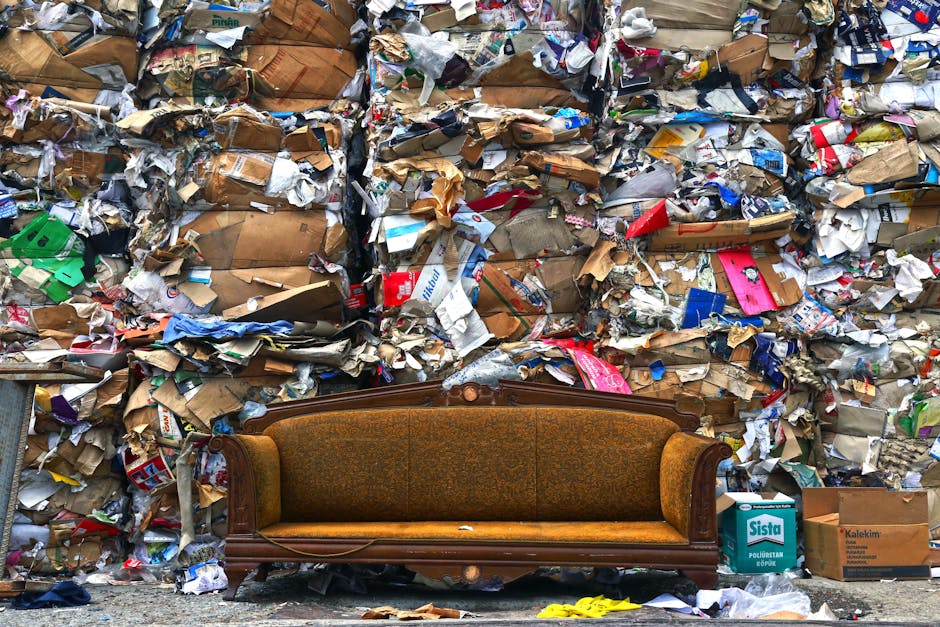
Bulky waste jobs often go wrong in predictable ways. The good news is that most of them are avoidable.
- Waiting until the last minute: If you need clearance before a move, sale, or renovation, don't leave it to the day before.
- Underestimating access issues: A large item may fit through the front door but still be impossible to turn in a narrow hallway.
- Mixing different waste types: Builders' waste, garden waste, and household items may need different handling.
- Forgetting about communal areas: In blocks of flats, leaving items in shared spaces can create problems with neighbours or building management.
- Choosing a service without checking what's included: Make sure collection, lifting, loading, and disposal are all clear in advance.
- Assuming every item can be recycled in the same way: Some can, some can't. It depends on material, condition, and local processing options.
One more that catches people out: failing to check hidden contents. Drawers, cupboards, and sofa compartments can hold sharp objects, paperwork, or small valuables. A quick look before collection is worth it.
Tools, Resources and Recommendations
You do not need a warehouse full of equipment to deal with bulky waste properly, but a few simple tools and habits make the process much easier.
- Measuring tape: Useful for checking door widths, stair turns, and item dimensions.
- Marker labels or tape: Helps separate items for reuse, disposal, or sale.
- Work gloves: Basic protection when moving awkward or dusty items.
- Dust sheets or blankets: Handy for protecting floors and walls during removal.
- Phone camera: Good for documenting items before collection and sharing access photos.
- Bin bags and boxes: Useful for clearing loose contents before the bulky items go out.
For a sense of how the service fits into the wider local picture, browse about us if you want to understand the company background, and insurance and safety if you want reassurance around handling and site care.
If you are comparing service levels, the services overview is a sensible starting point. It helps you match the job to the right type of support instead of overpaying for something too broad or under-ordering and having to book again. Nobody enjoys doing things twice.
Law, Compliance, Standards, or Best Practice
Bulky waste removal in the UK is not just a matter of putting things out and hoping for the best. There are practical standards and sensible responsibilities to keep in mind.
As a general rule, waste should be handled by an appropriate carrier, and anyone arranging disposal should be able to show that the waste is being passed to someone legitimate. That's the basic standard of care most people should expect. If a provider cannot explain what happens next, that is a red flag. Fairly simple.
There may also be building rules, tenancy conditions, parking restrictions, or local access requirements to consider in Pimlico. In shared properties, you should be careful not to block exits, damage communal areas, or leave items in fire routes. That's not just about courtesy; it's common sense and safety.
If the items include electrical appliances, sharp objects, or anything contaminated, extra care is sensible. Similarly, if you're dealing with office waste, papers and data-bearing equipment should be handled thoughtfully. For broader compliance comfort, it can help to review the provider's terms and conditions and privacy policy, especially if you are sharing access details or booking information online.
Best practice usually means three things: sort properly, use a reputable service, and keep the site safe during collection. Nothing fancy. Just disciplined, careful work.
Options, Methods, or Comparison Table
Here's a straightforward comparison of the main ways to deal with bulky waste in Pimlico. The right choice depends on urgency, effort, and the type of item.
| Option | Best for | Pros | Watch-outs |
|---|---|---|---|
| Council collection | Smaller volumes and non-urgent jobs | Can be straightforward if the item type is accepted | May involve waiting, item restrictions, or access rules |
| Donation or resale | Usable furniture and decent-condition items | Potentially reduces waste and may save money | Not suitable for damaged or stained items |
| Self-haul to a facility | People with transport and time | Direct control over the process | Physical effort, vehicle access, loading time |
| Professional bulky waste collection | Urgent, heavy, or awkward items | Fast, convenient, and less lifting for you | Cost varies depending on volume and access |
| Full house clearance | Whole-property or major decluttering jobs | Most efficient for large-scale clear-outs | May be more than you need for a single item |
For a smaller, one-off load, rubbish collection in Pimlico may be enough. For larger residential jobs, house clearance is often the cleaner solution. If the items are mostly old desks, chairs, and filing cabinets, go with office clearance. That sort of matching saves money and avoids overcomplicating the job.
Case Study or Real-World Example
Here's a realistic example. A Pimlico flat is being prepared for new tenants after a long occupancy. The living room contains a two-seater sofa, a dining table with mismatched chairs, an old TV unit, and a mattress leaning in the hallway. There's also a broken chest of drawers in the bedroom and a few loose bits in the kitchen cupboard.
At first glance, it looks like a simple "take the big stuff out" job. But then the details show up: narrow hallway, stairs with a tight turn, limited parking, and a shared entrance that cannot be blocked for long. The landlord needs the place cleared before decorating starts, so time matters too.
In that kind of scenario, the practical route is usually to sort the items, decide what is reusable, and arrange a collection that includes lifting and loading. The drawers may be emptied and disassembled, the mattress removed first, and the lighter furniture shifted in one run. If the provider knows the access beforehand, they can plan the right team and vehicle. That saves a surprising amount of time.
The key lesson? The best solution is rarely the one that looks simplest from the front door. It's the one that respects the shape of the property, the deadline, and the actual condition of the waste.
For people thinking more broadly about property upkeep in the area, the local perspective in an inside look at Pimlico can be a helpful reminder of why careful, considerate clearance matters in a neighbourhood like this.
Practical Checklist
Use this checklist before arranging bulky waste removal. It keeps things calm, which is half the battle really.
- List every bulky item that needs to go
- Separate furniture, electricals, garden waste, and builders' debris
- Check whether any items are reusable or donation-worthy
- Measure doorways, stair turns, and lift access if relevant
- Clear pathways and protect walls or floors if needed
- Take photos of items and access points
- Confirm who will do the lifting and loading
- Check collection timing against your move, sale, or renovation date
- Review any building or tenancy rules about access and disposal
- Keep valuables, paperwork, and personal items out of drawers and cabinets
- Ask how the waste will be sorted, recycled, or disposed of
- Make sure you know the contact details for the collection day
If you want a more polished decision process, it also helps to look at how the provider presents costs and booking. The page on pricing and quotes can guide your expectations before you commit.
Conclusion
Bulky waste does not need to turn into a drawn-out nuisance. With the right plan, the right access prep, and the right disposal route, you can clear space quickly and move on with the rest of your day. In Pimlico, where properties can be compact and access can be a bit tricky, that planning makes all the difference.
Whether you're clearing a single item or a full room, the smartest move is to choose the solution that fits the job properly. Sometimes that means donation. Sometimes it means a targeted collection. Sometimes it means a full clearance and a fresh start. No drama, just a cleaner space and a bit of breathing room.
Get a free quote today and see how much you can save.
If you're ready to move forward, a quick enquiry is usually the easiest next step. And once the bulky items are gone, the place often feels lighter in a way that's hard to describe until you've felt it yourself. A bit less clutter. A bit more room. That small shift can make a home feel better straight away.


Copyright © . House Clearance Pimlico. All Rights Reserved.